Materials Investigations
Understanding a historic building often requires looking beyond what the eye can see.
Through a mix of noninvasive imaging, on-site testing, and targeted material analysis, the team can identify the makeup of original construction materials and reveal the building’s hidden conditions to inform conservation approaches that protect its character for generations to come.
Together, these techniques guide conservation decisions and shape thoughtful, long-term intervention strategies. Explore how the science guides preservation.
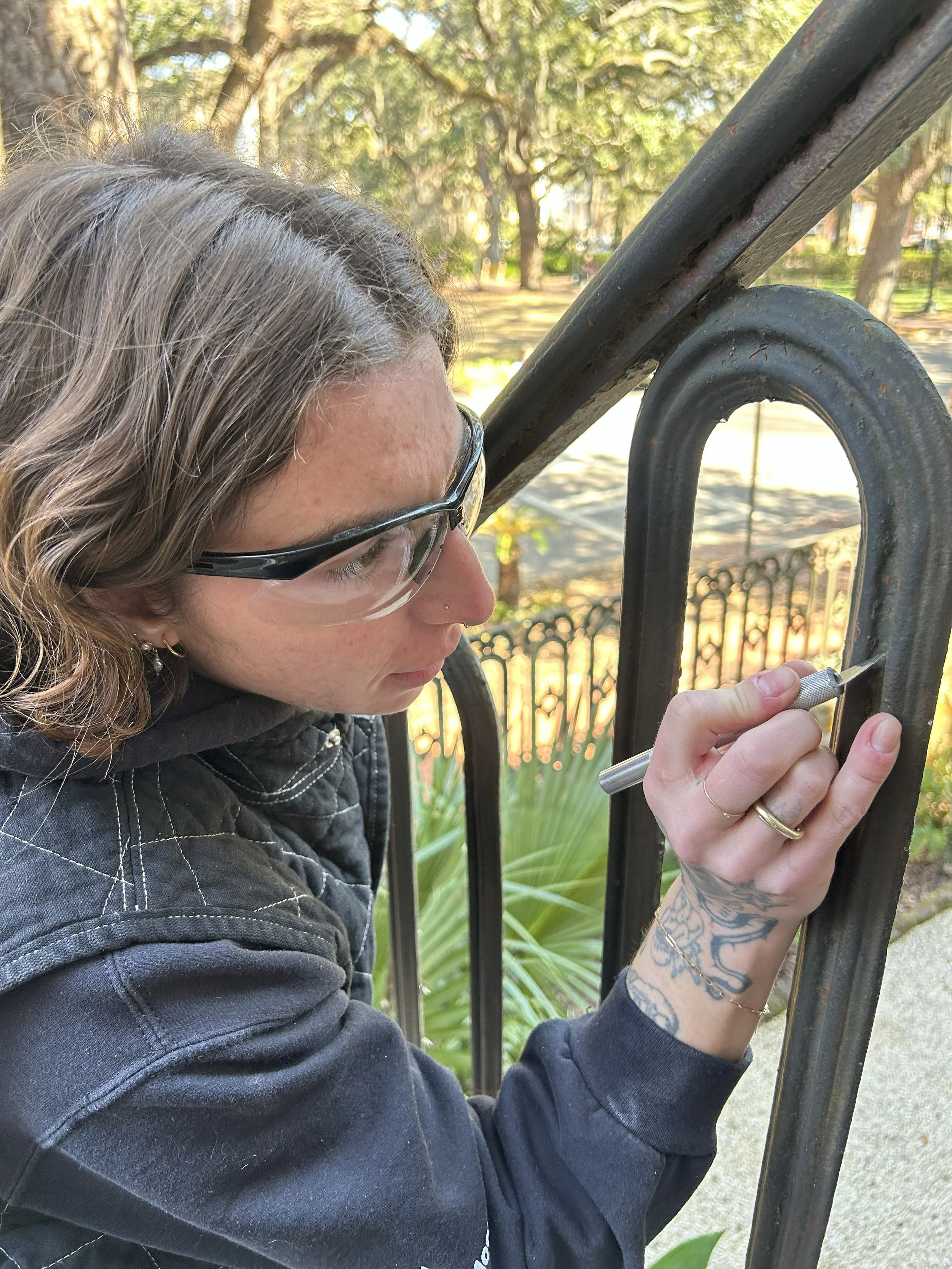
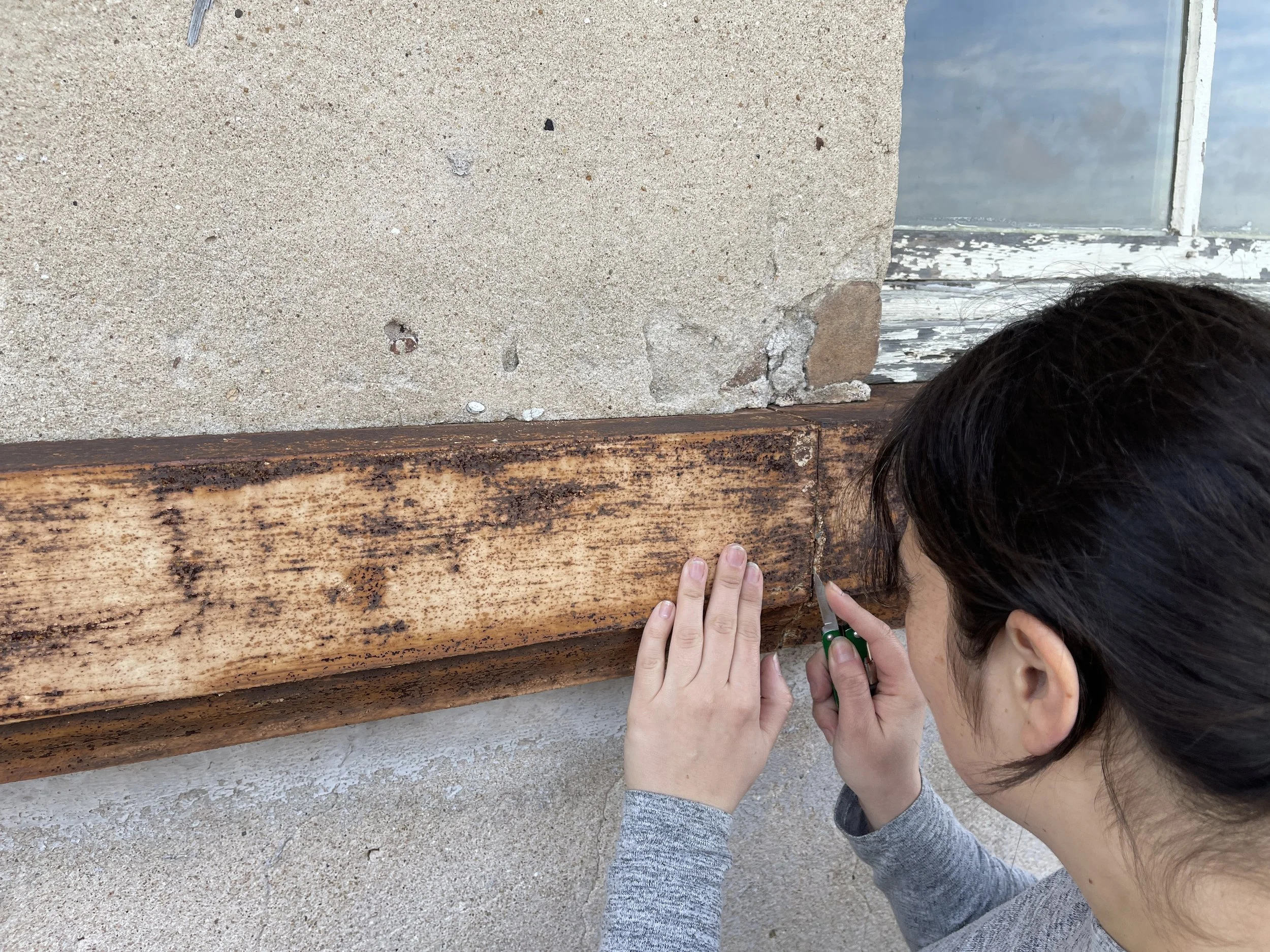
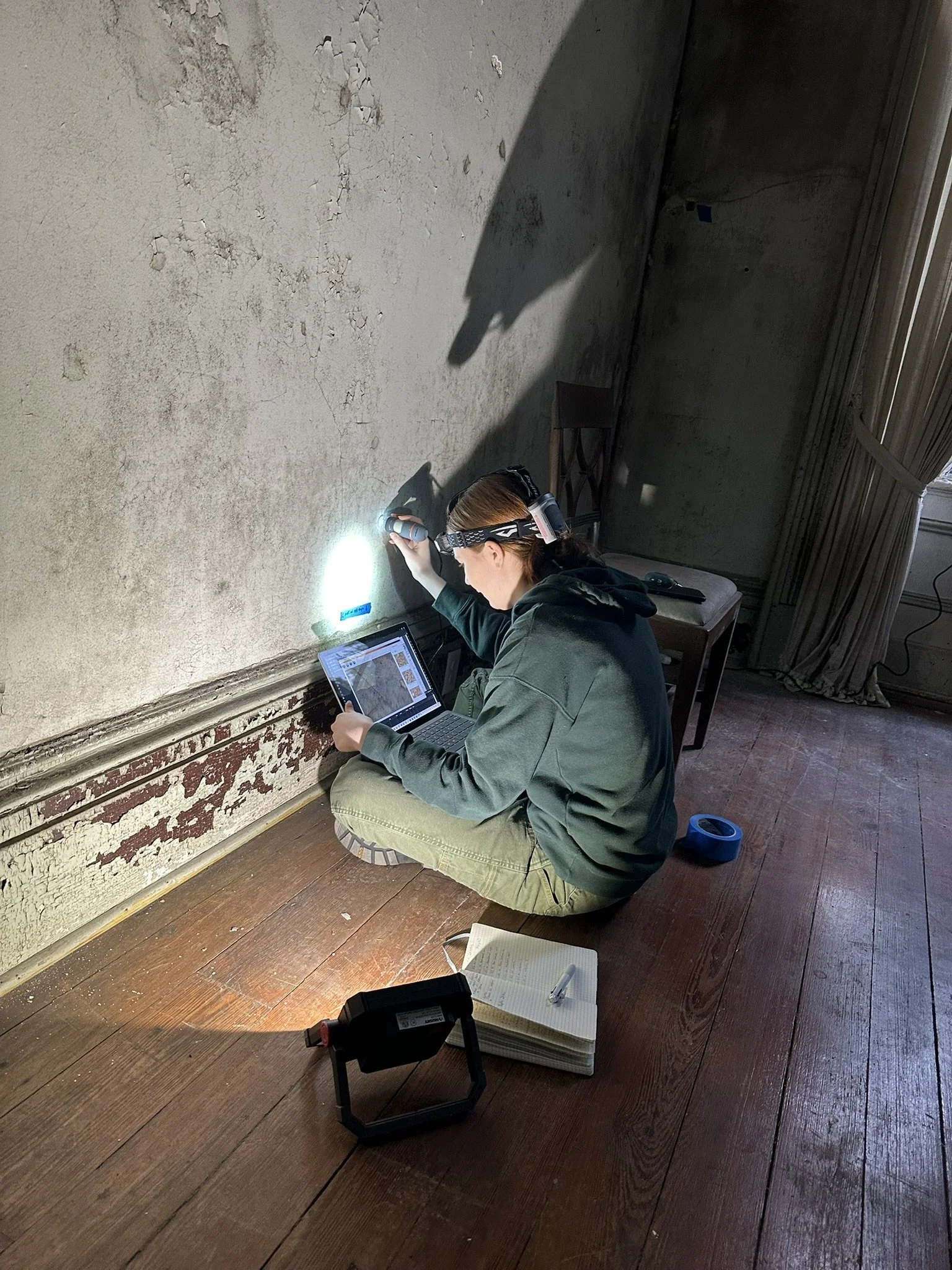
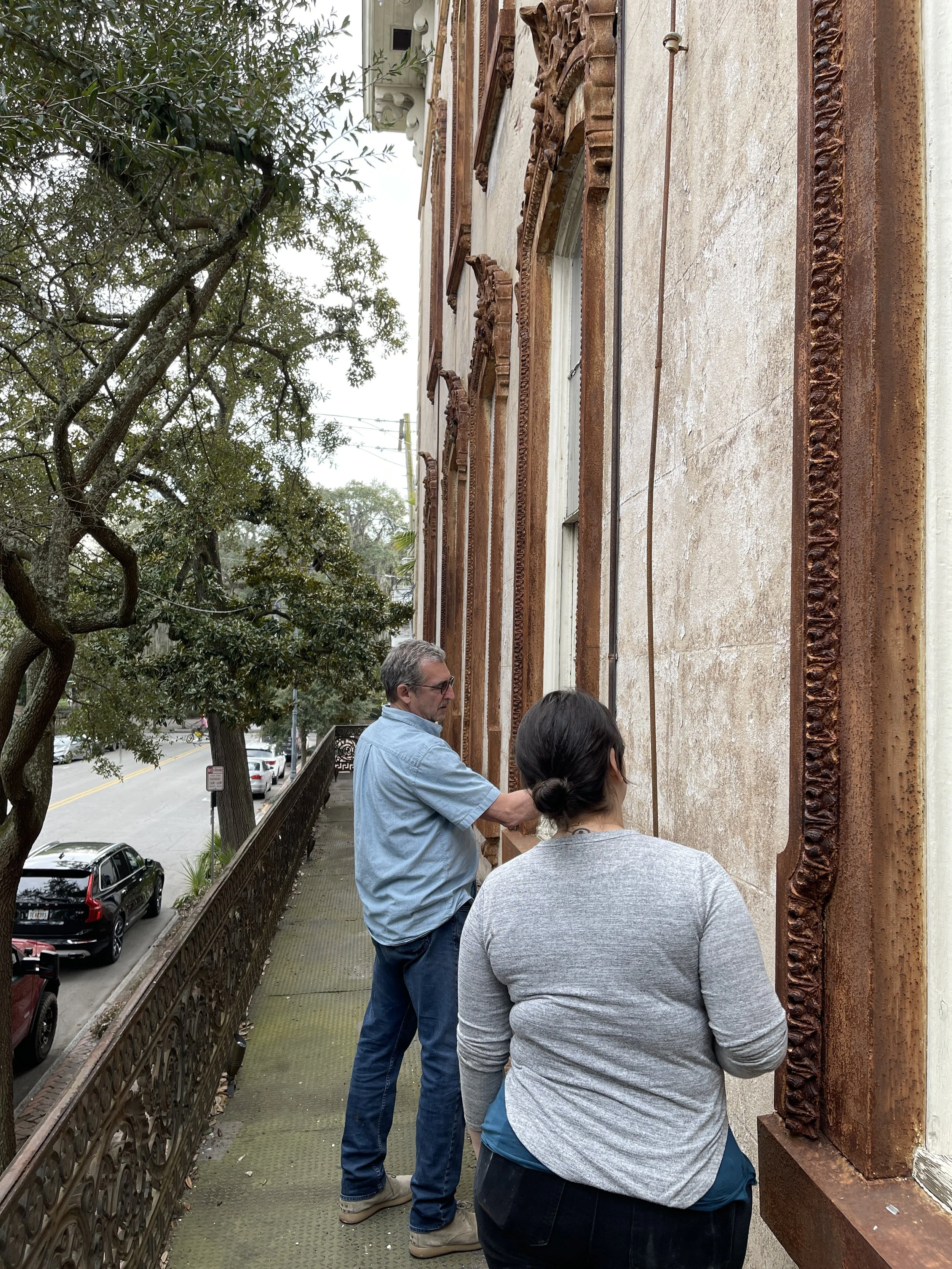
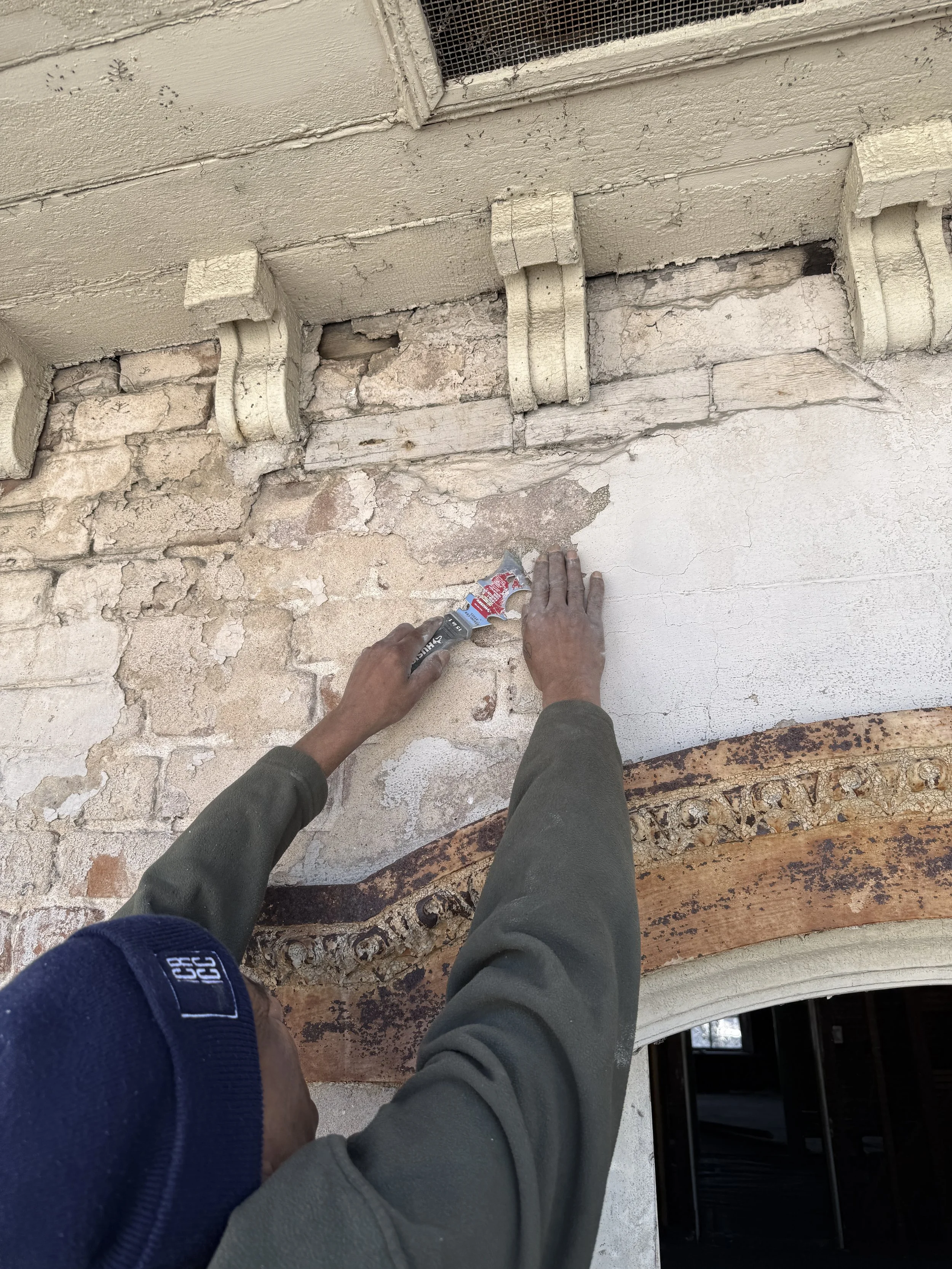
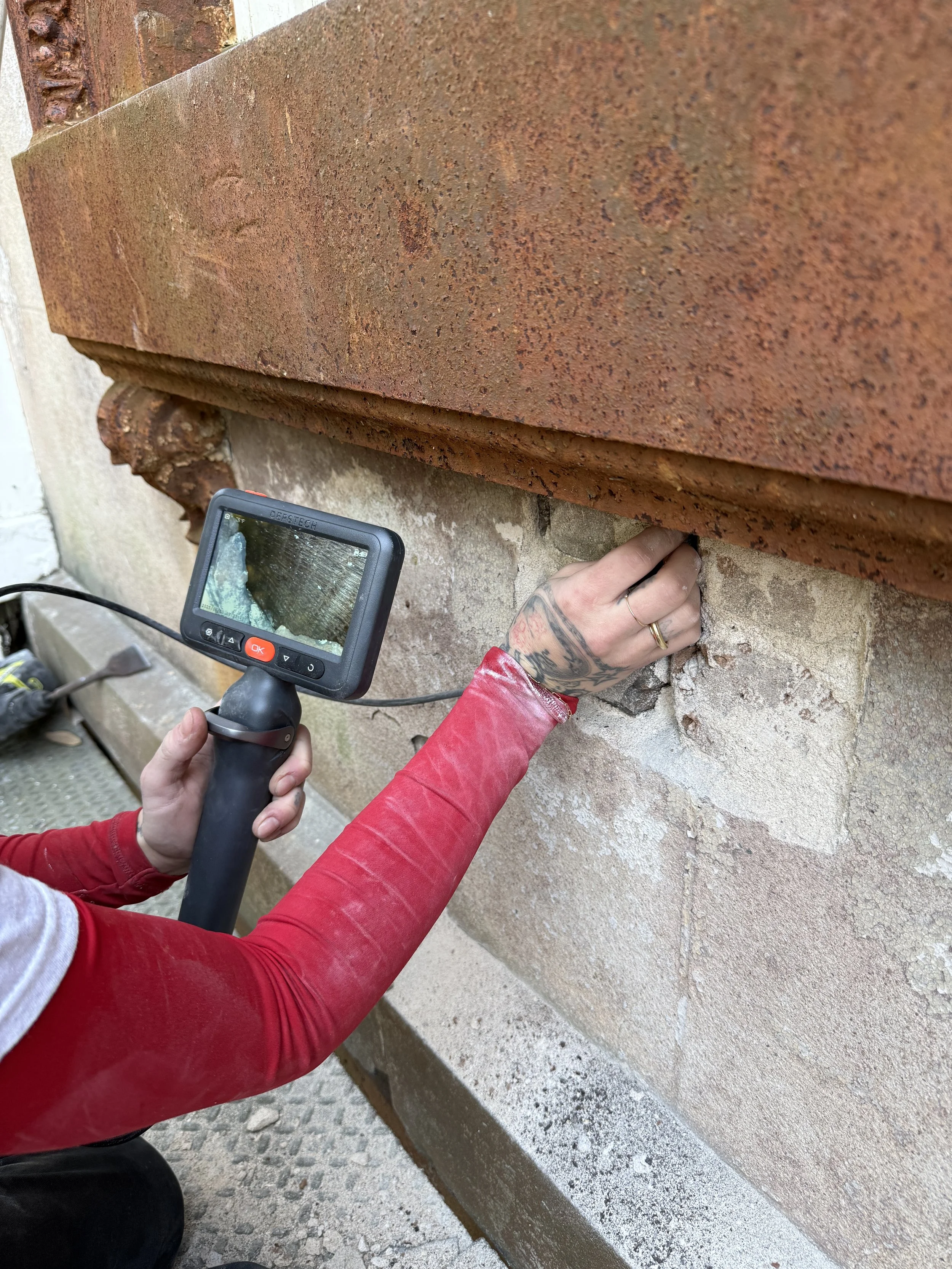
The team can gain significant information about the building without having to remove any historic materials. Non-destructive evaluation techniques used so far at the Noble Hardee House include moisture mapping, borescope investigation, and sounding to indicate underlying conditions. These techniques can help the team understand how widespread a given condition is and indicate the best location for probes and sample extraction.
Non-destructive Evaluation
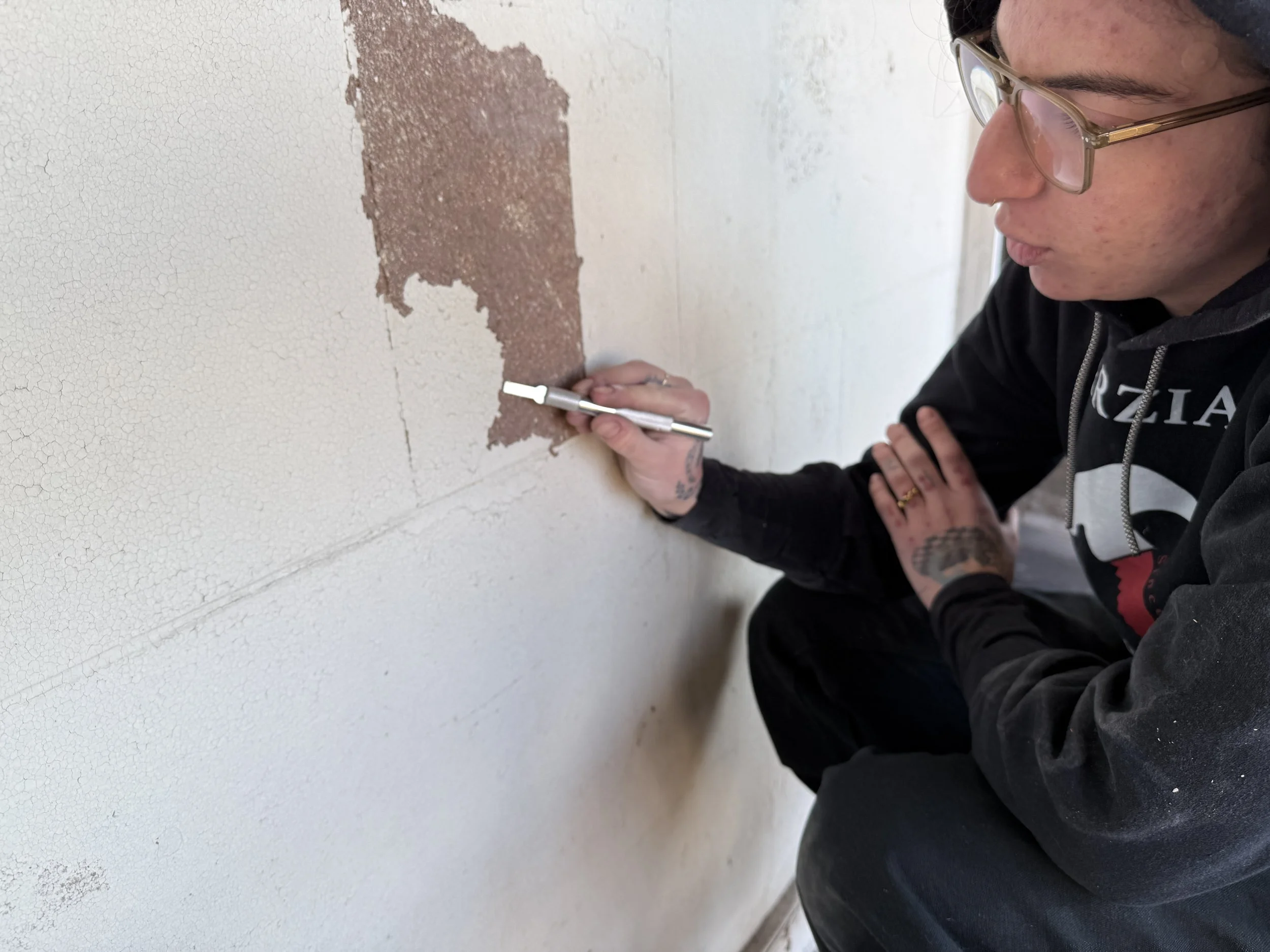
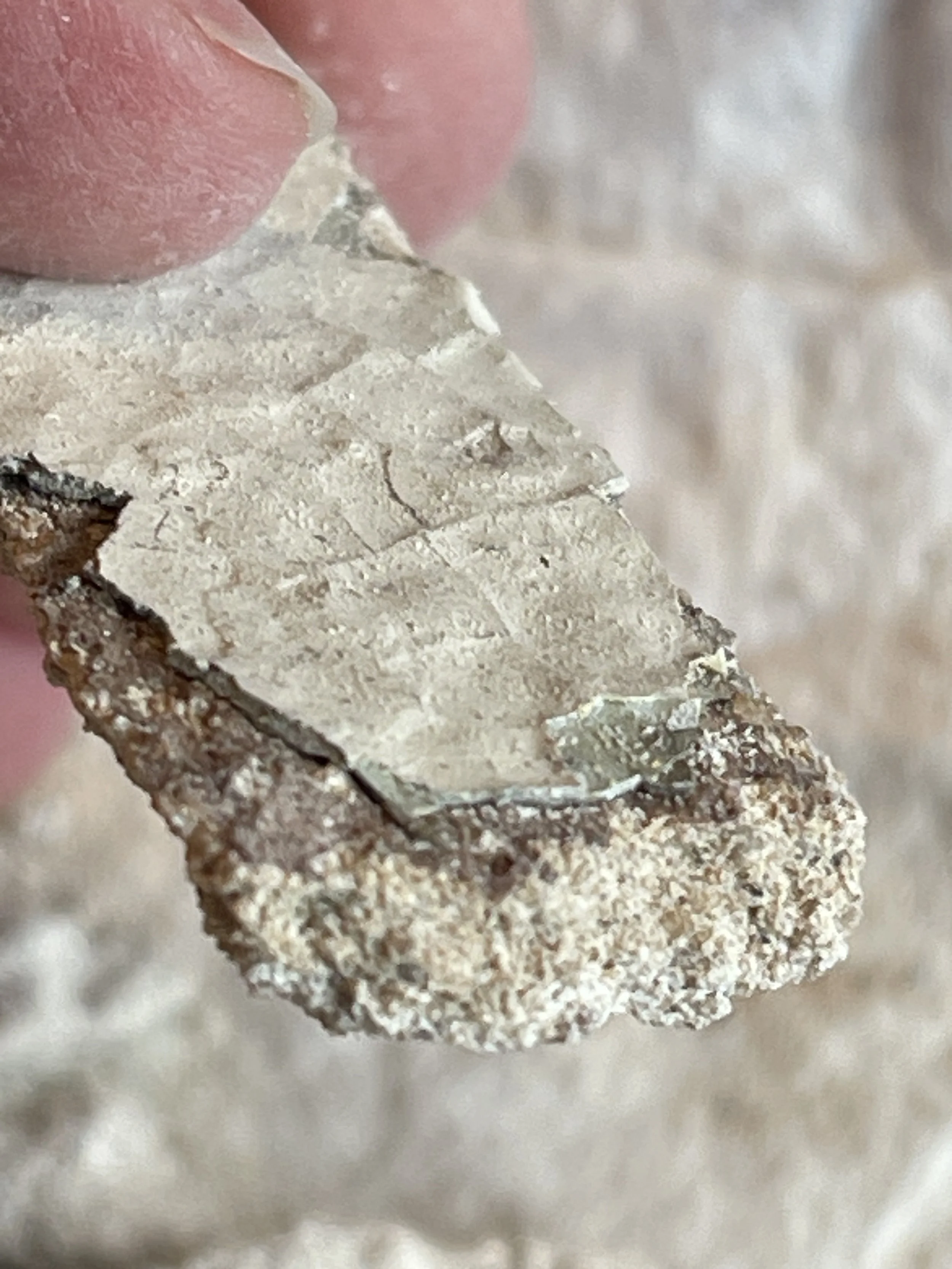
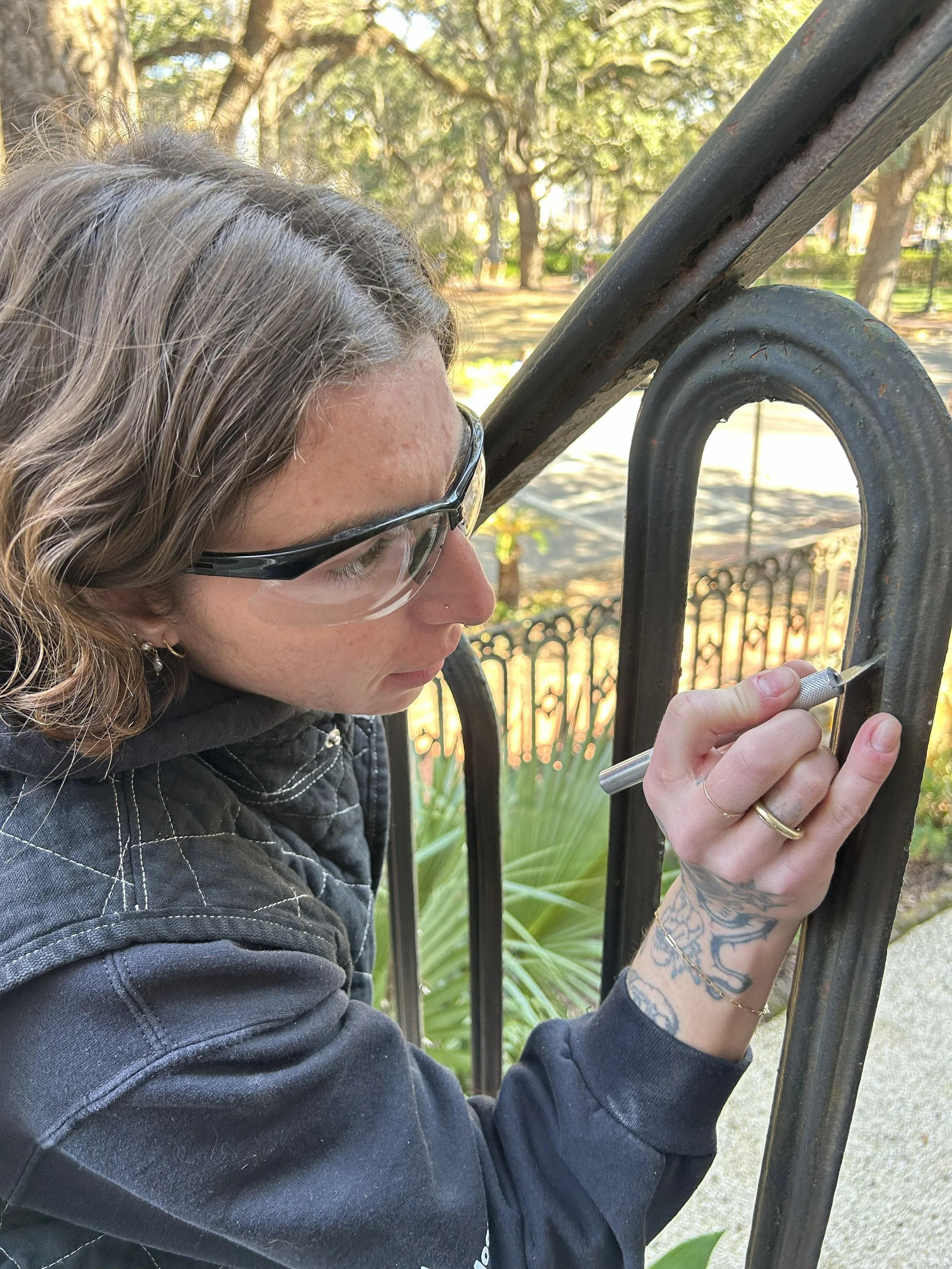
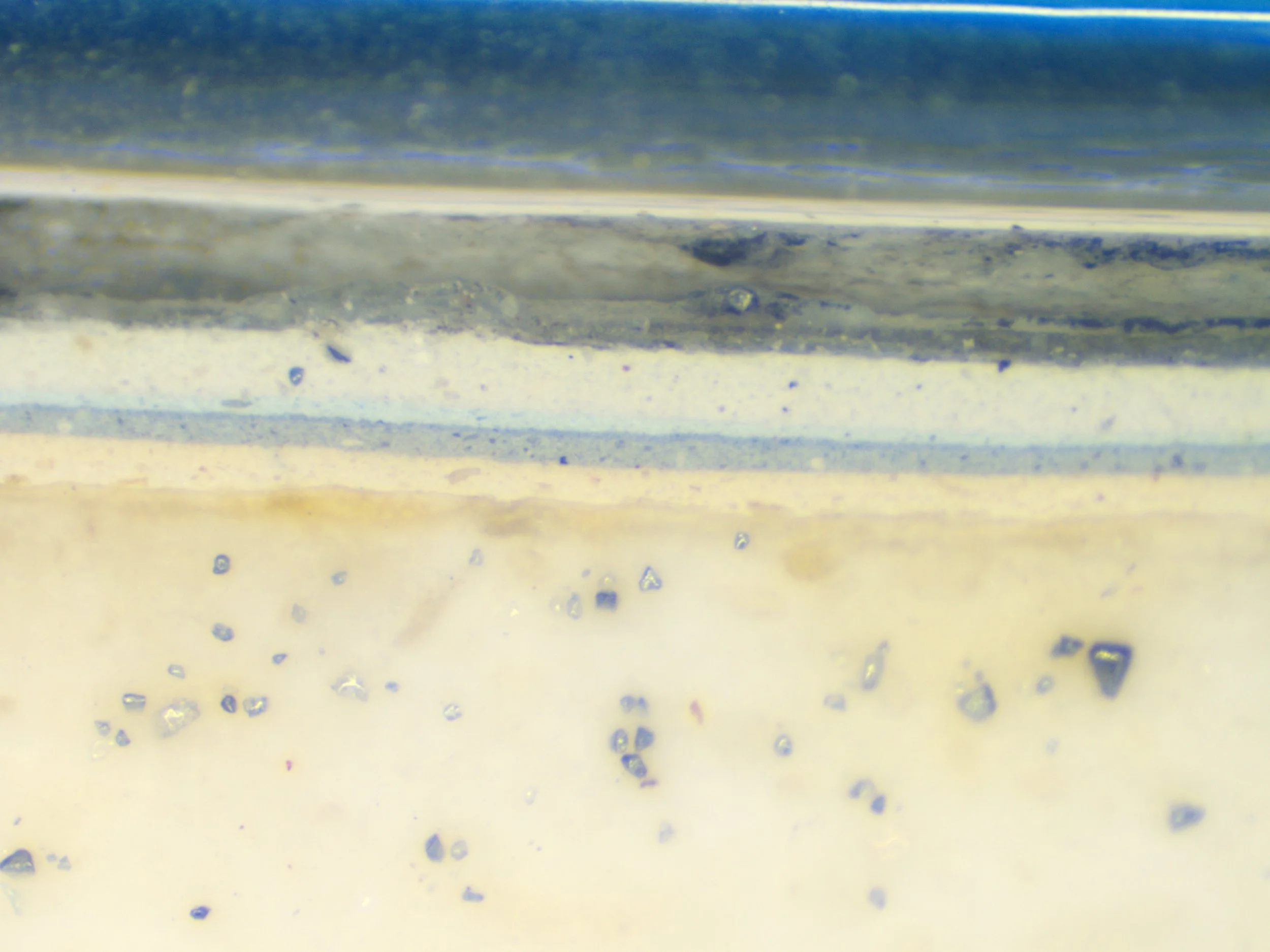
Removing representative material samples for off site analysis is an important step to characterizing historic materials, understanding their component parts, identifying current conditions, and making decisions about their repair or replacement. Small representative samples are removed from discrete locations on the building to be viewed under magnification and analyzed in a laboratory. Mortar analysis, petrography, finishes analysis, and wood identification are just a few of the analysis methods that are being implemented at the Noble Hardee House. Seen to the right is a representative paint sample (45x magnification) shown in cross section from one of the interior walls of the Noble Hardee House.
Sampling & Material Analysis:
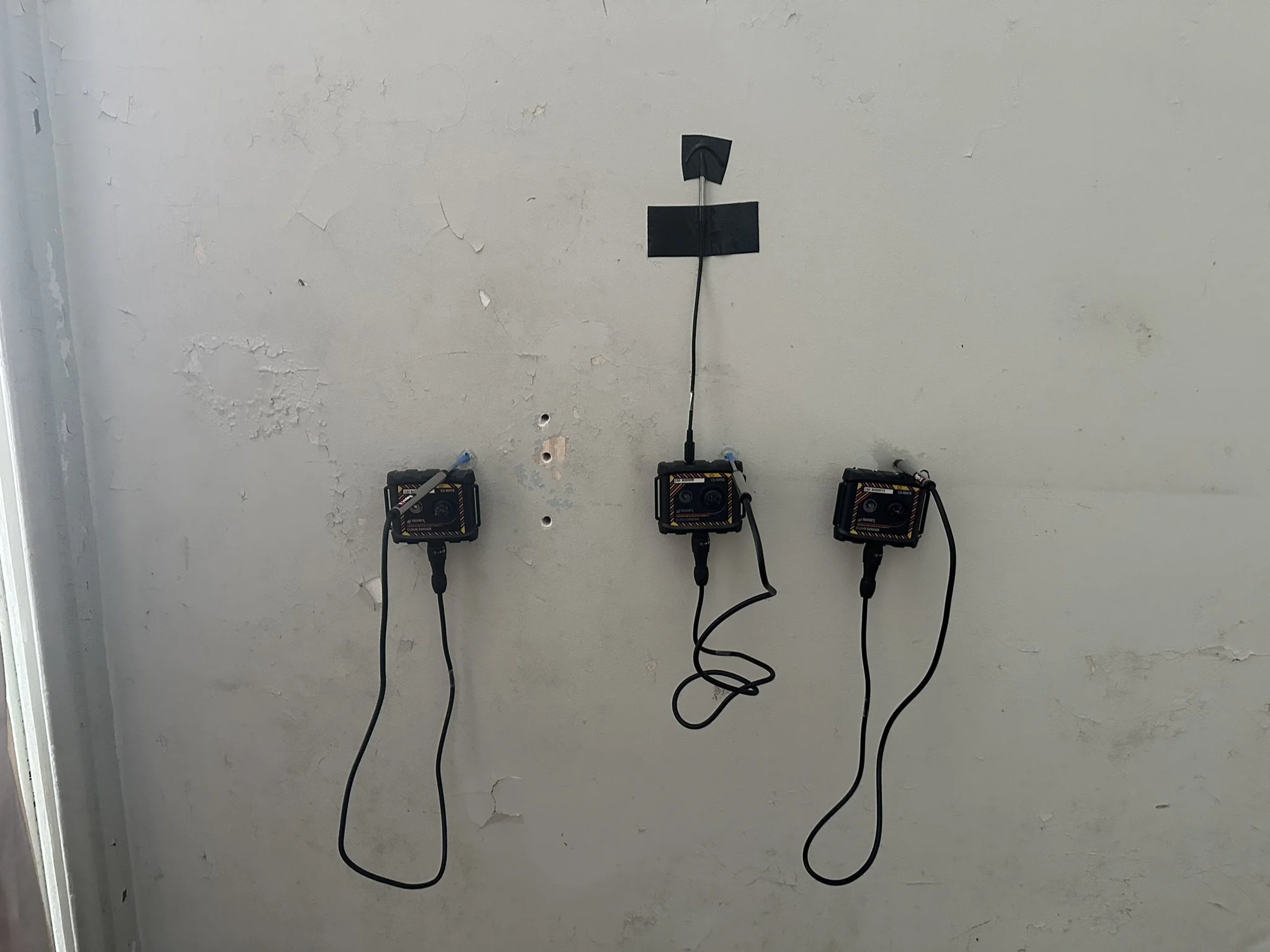
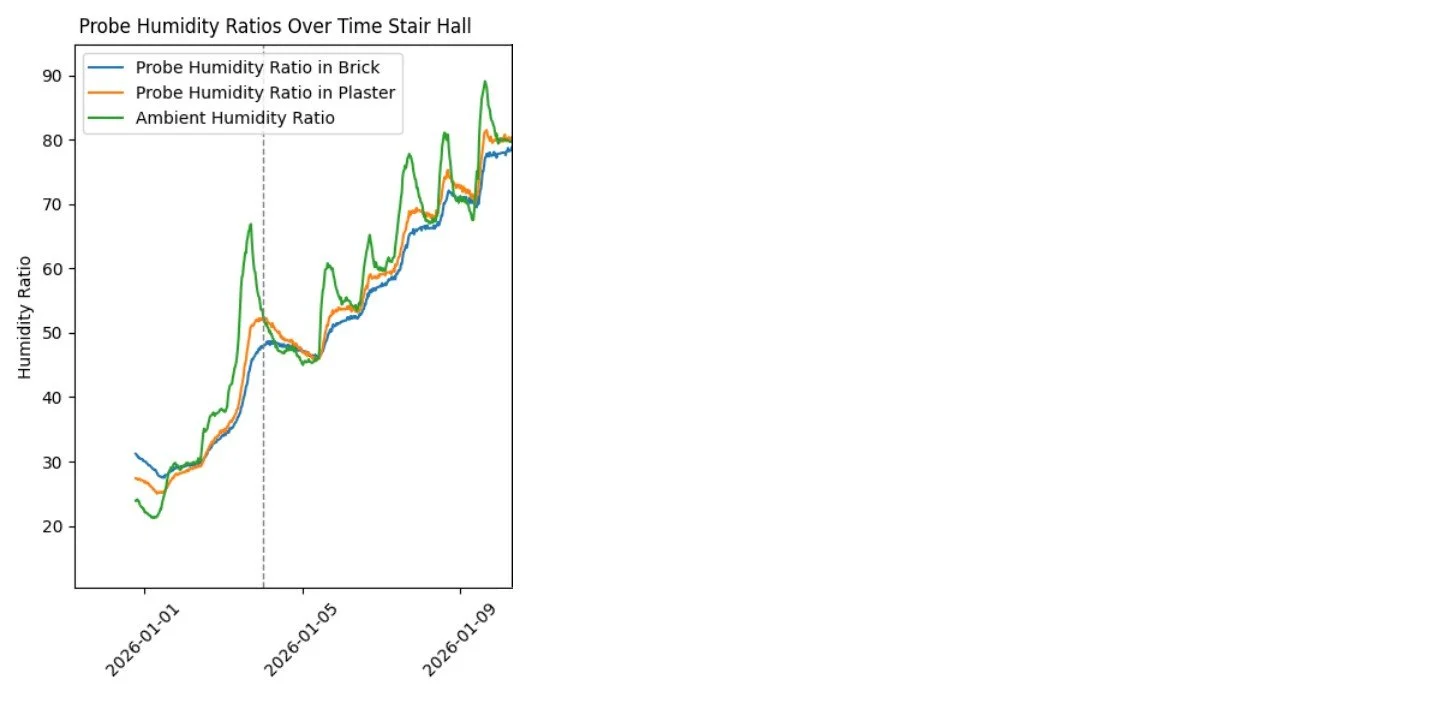
Conditions at the Noble Hardee House indicate that there are environmental impacts that have had a negative effect on the structure over time. Understanding the specific way the building responds to the local climate is essential to prioritizing conditions and designing long term compatible solutions. A site-specific environmental monitoring campaign was designed and installed in strategic locations throughout the building. The data from this system will be analyzed and utilized in a number of ways. Stay tuned for more on this.
Environmental Monitoring:
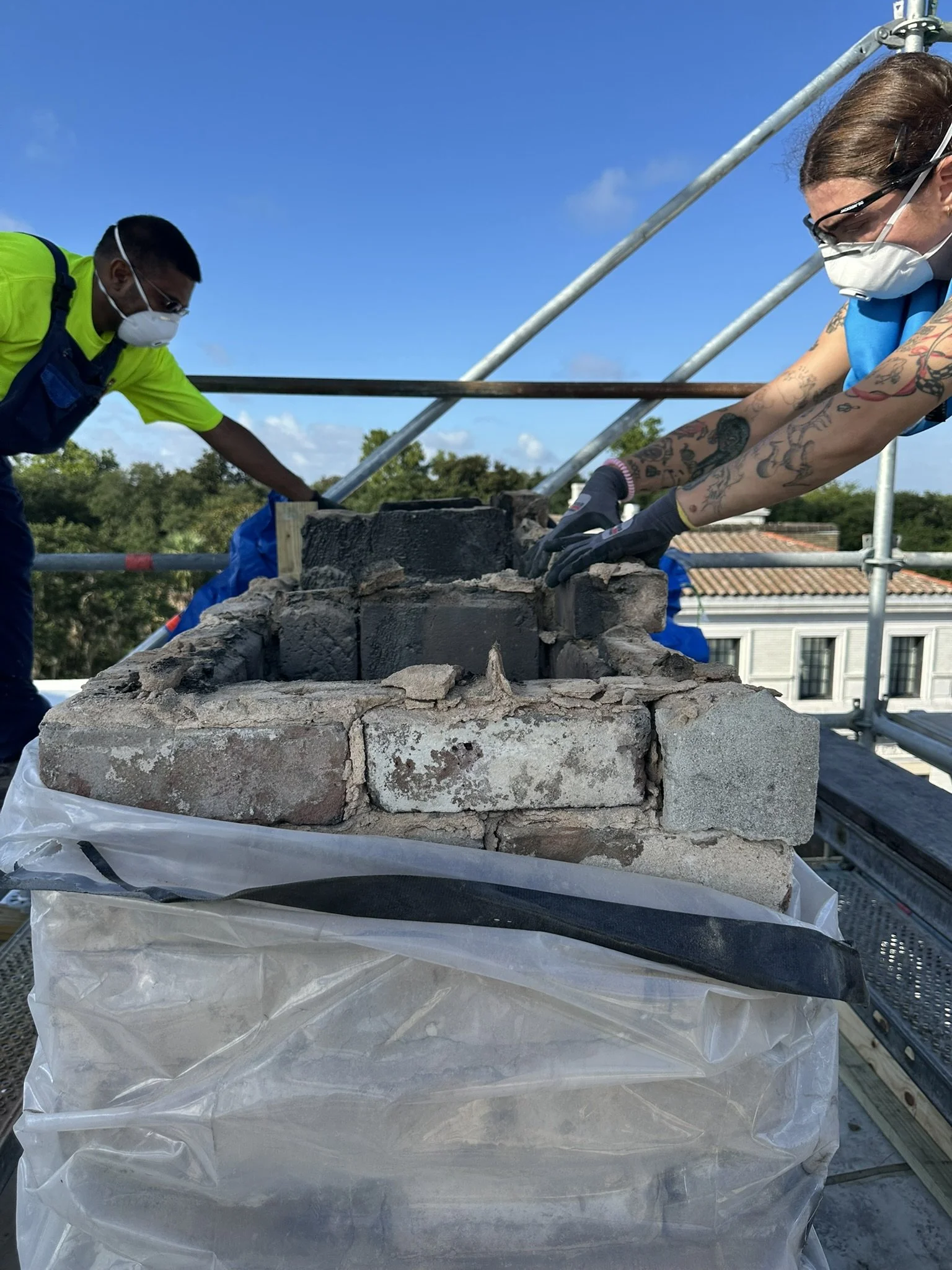
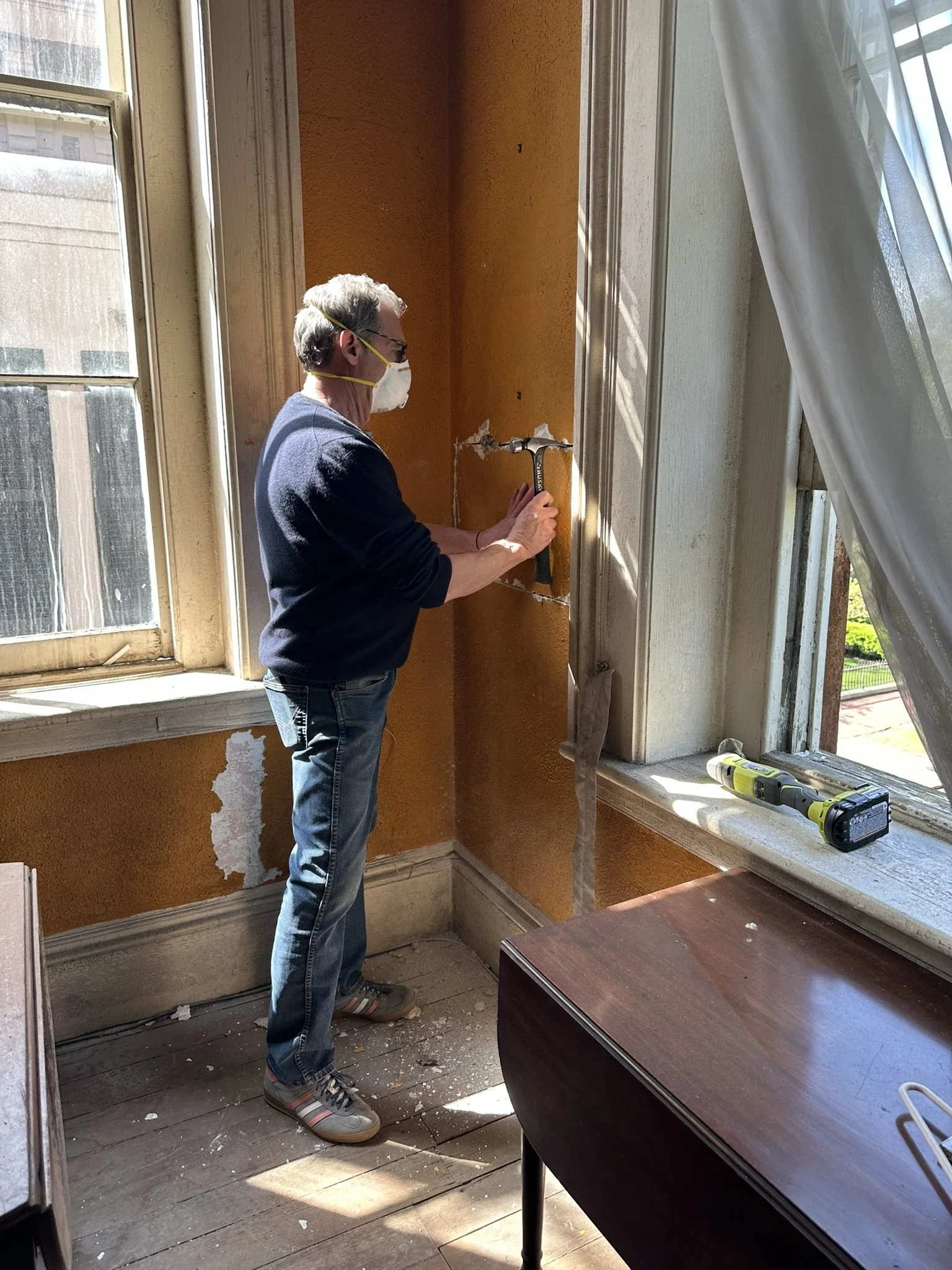
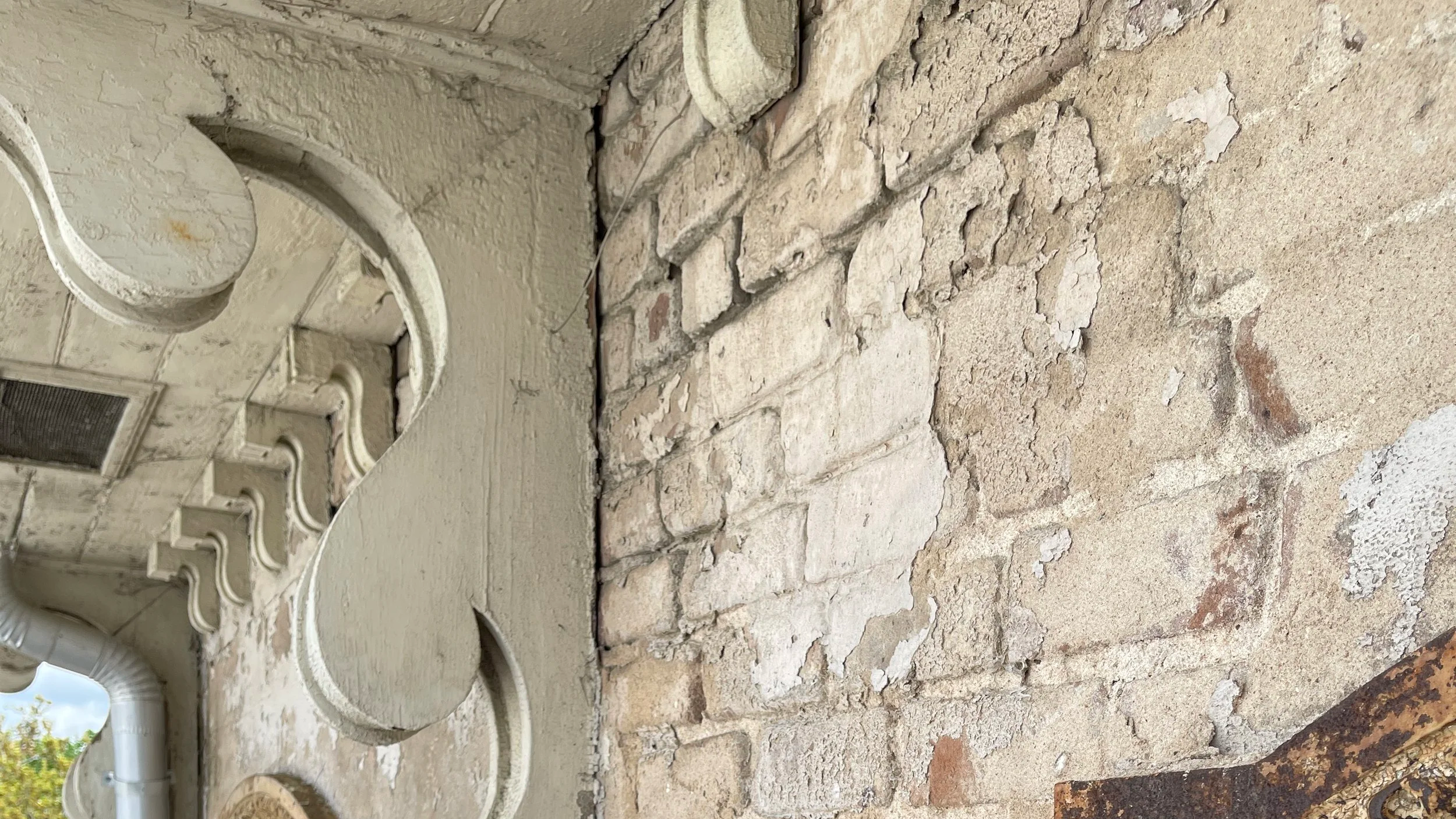
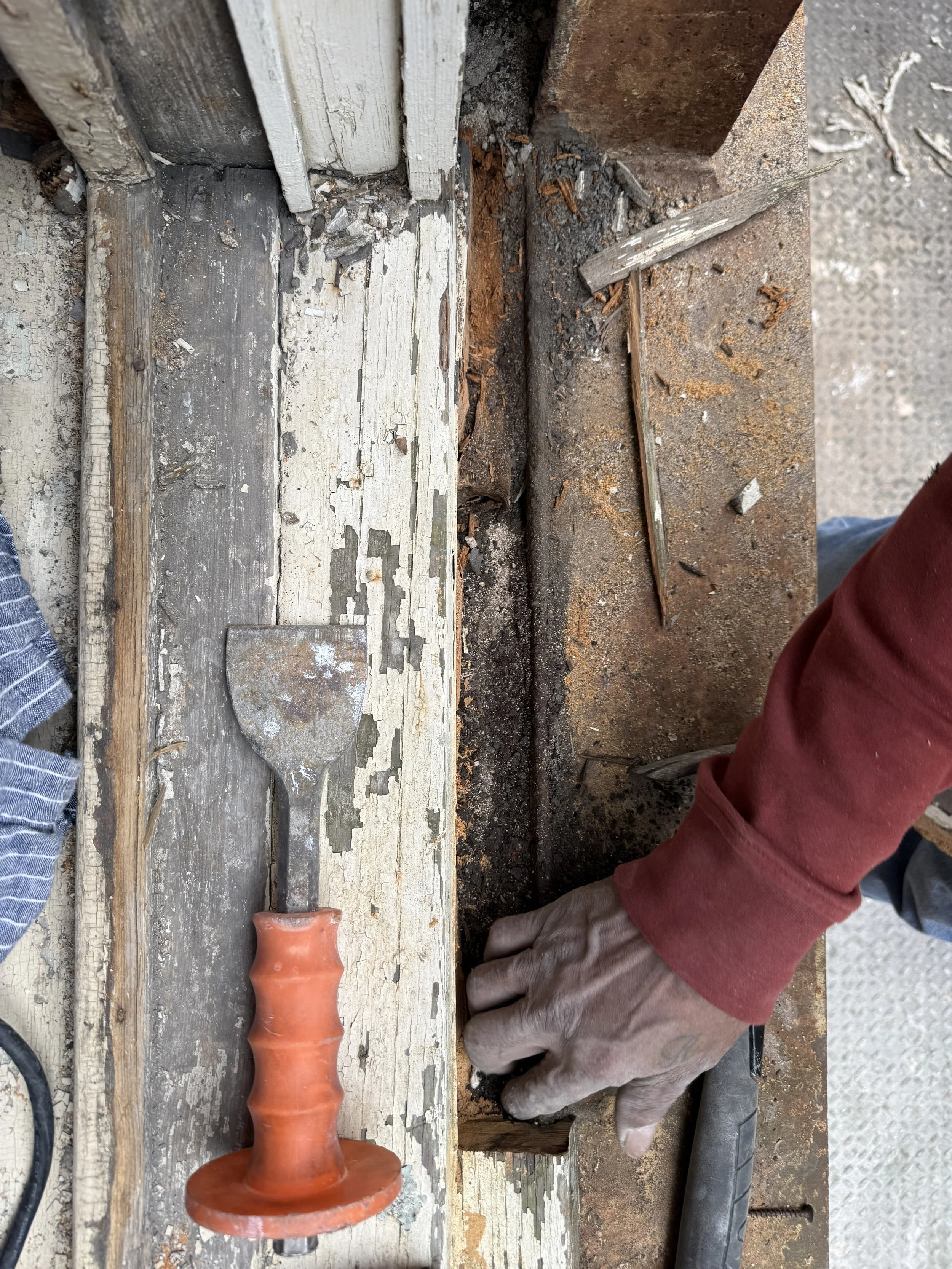
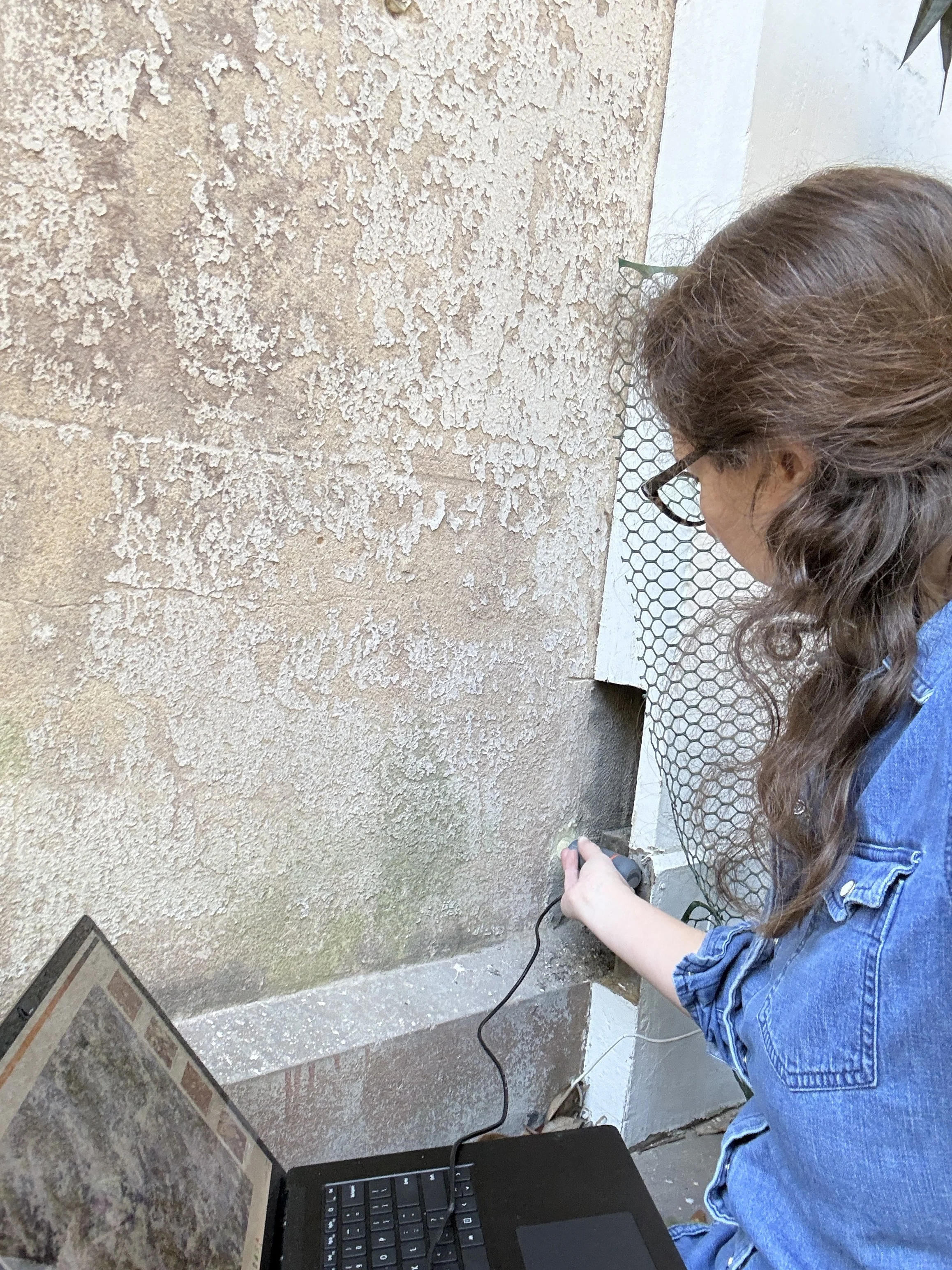
Understanding construction methods and hidden conditions can often require opening small, representative sections of walls, flooring, or roofing to see what is inside. Careful evaluation is needed to determine appropriate probe locations, but the right probes can provide a wealth of information to the project team. Revealing underlying materials can help the team understand conditions, draft appropriate repairs, and reveal elements of the building obscured by previous renovations or additions.
Probes
Learn more about our Materials Investigations initiatives